


Artificial Intelligence
The integration of radiology with Core AI makes it possible to detect diseases early and automate clinical imaging
AI algorithms and radiomics analysis
Medical image processing and radiomic analysis
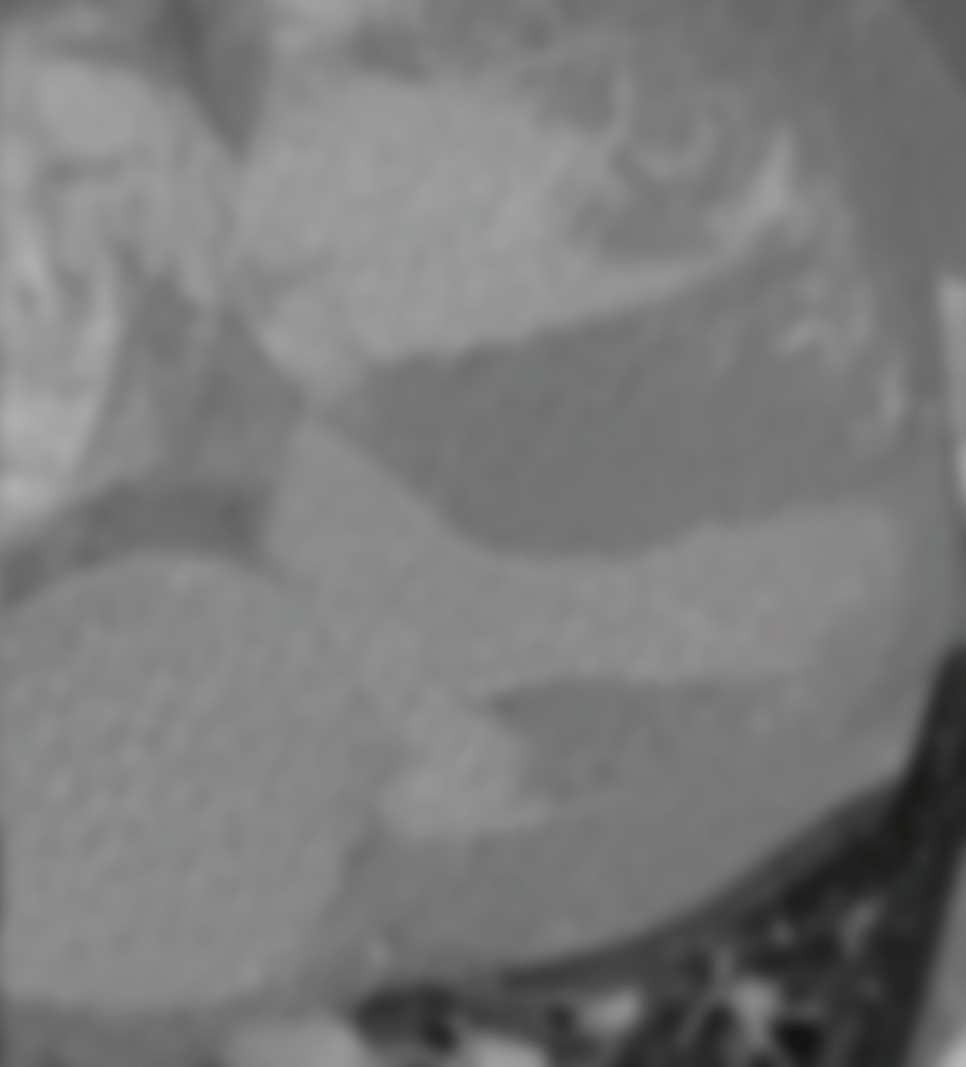
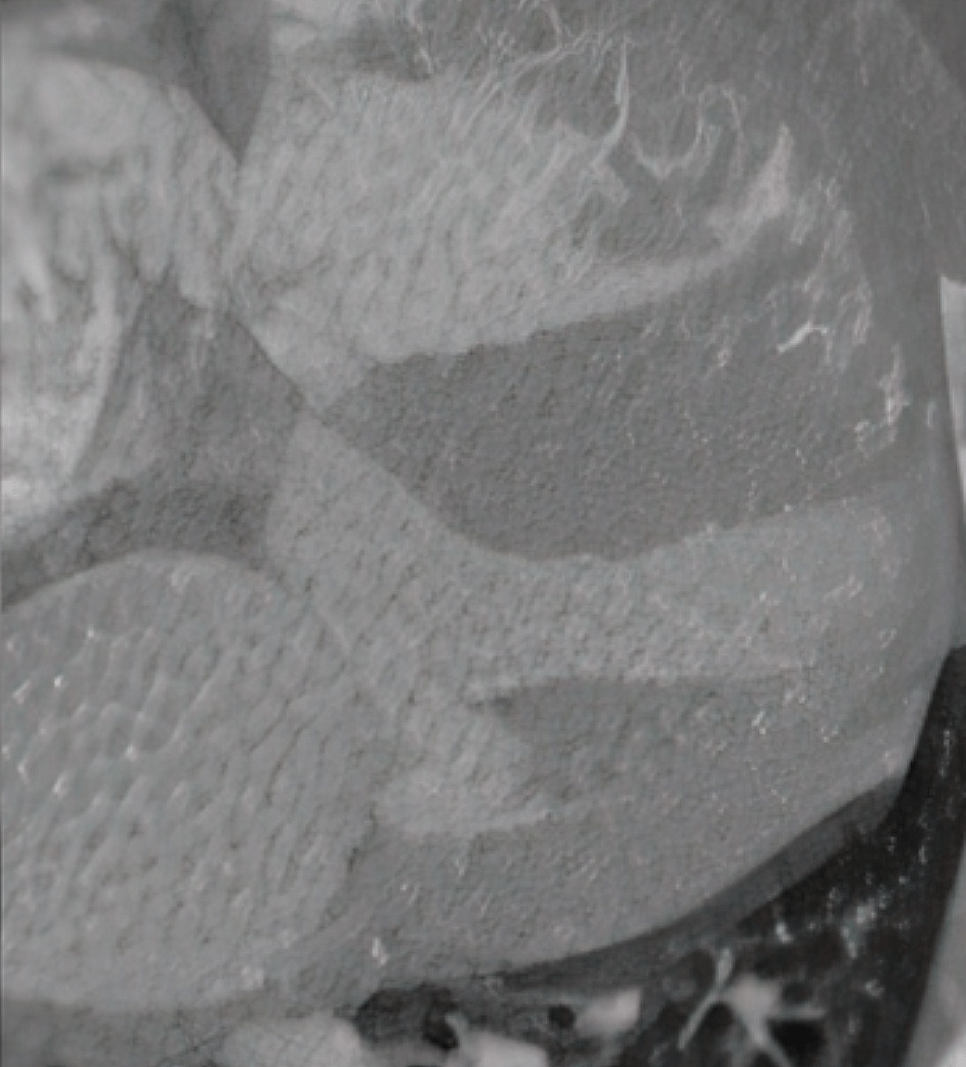
We apply image upscaling algorithms to radiological images, removing artifacts and enhancing sharpness. We transform clinical data through image enhancement, enabling more accurate characterization of pathologies and sound diagnostic decision-making.
Core AI: Medical image processing
AI powered radiology
Using deep learning algorithms, we transform conventional radiomics into high-resolution, high-resolution images, enabling professionals to better understand patients’ conditions. This approach enhances the visibility of hidden structures and redefines the precision of surgical planning.
- x6 zoom resolution
- Faster diagnostics
- Higher precision
- Fewer preliminary tests
Predictive diagnostics with AI
Our AI technology in radiology analyzes patterns imperceptible to the human eye in the early stages of a pathology. Thanks to our analyses and algorithms, we are able to identify anomalies and tumors in their early stages, enabling preventive intervention that drastically improves the patient’s prognosis and the effectiveness of treatments.
AI solutions for image analysis
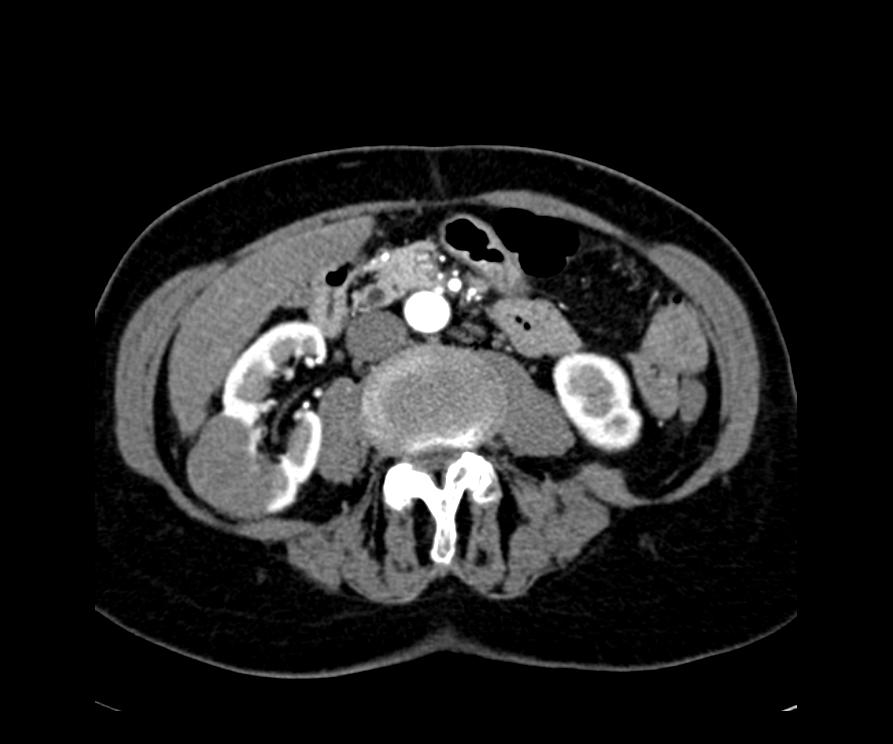
The integration of deep learning algorithms enables the identification of biomarkers and tissue anomalies that are often imperceptible in conventional radiology. By analyzing medical data density and texture at the pixel level, our technology facilitates the early detection of critical pathologies and tumors in their initial stages.
Areas of application
- CT scans
- MRI scans
- Ultrasound scan
Ready to lead the next generation of surgery?
Optimize your processes, reduce risks, and discover the best personalized medicine solutions for patient well-being.
Frequently Asked Questions
Our algorithms analyze medical data (CT/MRI) at the pixel level, identifying variations in density and textures (radiomics) that may be imperceptible to the human eye. This allows for the detection of anomalies at very early stages.
It is the extraction of large amounts of quantitative data from medical images. AI uses this data to find patterns that link the image to the biology of the pathology, going far beyond simple visualization.
Absolutely not. Our technology acts as an “expert second opinion.” It provides a probability map and precise segmentations so that the specialist can validate and make the final decision with greater confidence and objective data.
Yes, our AI is trained to recognize complex anatomical structures in both fields, adapting to the particularities of each species to offer maximum diagnostic precision.
Yes. By having intelligent segmentation and exact delimitation of the mass or lesion before surgery, the medical team can plan the approach with total accuracy, avoiding unforeseen events and optimizing every minute of the intervention.